
When “Something Just Happened” Is Already Too Late
Most calls don’t start with:
“We’d like to be proactive.”
They start with:
“Something just happened.”
A water leak that’s been running longer than anyone realized.
An HVAC system that fails in peak summer.
A pool turning green because a valve stopped working.
A yard that didn’t “die overnight” — even if it looks like it did.
None of these are unusual.
What is unusual is how often homeowners are surprised by them — especially when the home isn’t occupied full-time.
Second homes behave perfectly… right up until they don’t.
And when no one is there to notice small issues early, those issues don’t stop.
They quietly grow.
Why Waiting Feels Safe (But Isn’t)
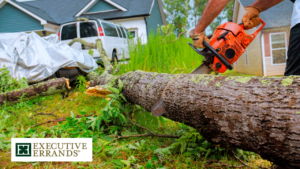 Most homeowners don’t wait because they’re careless.
They wait because everything looks fine.
- The house looked fine on the last visit
- The pool looked fine after service
- The landscaping looked fine last week
And when life gets busy, it’s easy to assume:
no news = no problems
But homes are extremely good at hiding issues.
By the time something becomes visible, it’s usually been developing for weeks — sometimes months.
Emergencies Are the Most Expensive Way to Learn
When something breaks unexpectedly, everything becomes harder:
- Decisions are rushed
- Options are limited
- Vendors are unavailable or overpriced
- Stress hits instantly
Emergency situations don’t give you time to think — only time to react.
And it’s not just the repair that costs you.
It’s everything around it:
- Disrupted travel plans
- Last-minute coordination
- Preventable damage spreading further
- Managing it all remotely
The lesson gets learned.
But it’s learned at a premium.
What Proactive Home Care Actually Looks Like
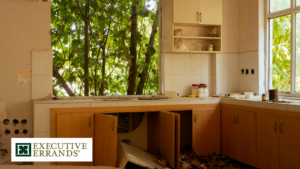 Prevention isn’t flashy.
In fact, it’s almost invisible — and that’s exactly the point.
It looks like:
- Regular check-ins that catch issues early
- Noticing when something feels “off”
- Verifying that vendors actually did the work
- Having eyes on the property between visits
- Knowing who to call before things go wrong
No panic.
No scrambling.
No surprises.
The best feedback homeowners give is simple:
“Nothing happened while we were gone.”
That’s success.
Why Second Homes Are Higher Risk — Not Lower
There’s a common assumption that second homes require less maintenance.
In reality, they’re often more vulnerable:
- Systems sit unused
- Small leaks go unnoticed
- Pests settle in undisturbed
- Landscaping declines without attention
- Minor issues escalate quietly
Your primary residence gives you daily feedback.
Your second home doesn’t.
That gap — the time between visits — is where problems grow.
The Real ROI: Peace of Mind
Peace of mind won’t show up as a line item on an invoice.
But you’ll feel it everywhere else:
- Fewer emergencies
- Fewer unexpected expenses
- Less stress while you’re away
- Confidence someone is paying attention
- The ability to actually enjoy your home
Your second home should feel like a retreat — not a liability.
And here’s the truth:
Prevention almost always costs less than repair.
It just requires intention.
The Question Most Homeowners Avoid
It’s not a question of if something will need attention.
Homes are living systems.
Things wear out.
Weather happens.
Water always finds a way.
The real question is:
👉 Will you find out early — or late?
Ready for Fewer Emergencies?
If you own a second home and want confidence that it’s being cared for — even when you’re not there — proactive oversight makes all the difference.
Executive Errands® provides:
- Consistent home monitoring
- Early issue detection
- Trusted vendor coordination
- Full visibility without constant involvement
No panic.
No scrambling.
No surprises.
📩 Reach out today to protect your home and simplify ownership
📞 760.898.9604
📧 info@errands4you.com
FAQ
1. Why is second home maintenance more important?
Because issues go unnoticed longer, allowing small problems to turn into expensive repairs.
2. What is a home watch service?
A professional service that regularly inspects your property to identify and prevent issues.
3. How often should a second home be checked?
Ideally weekly or bi-weekly, depending on location and risk factors.
4. What are the most common hidden issues?
Water leaks, HVAC failures, pest infestations, and irrigation problems.
5. Does prevention really save money?
Yes. Catching problems early almost always costs significantly less than emergency repairs.
6. Can I manage this remotely myself?
You can try, but without physical presence, many issues go unnoticed until it’s too late.
7. Is this only for luxury homes?
No. Any second home benefits from proactive oversight.
For HOA & Community Managers
Encouraging homeowners to engage professional home oversight benefits the entire community:
- Fewer neglected pools
- Healthier landscaping
- Less water waste
- Fewer emergency calls
- Higher neighborhood standards
Executive Errands® partners seamlessly with HOAs — with no added cost to the association.
👉 Let’s improve your community experience together